





Türkiye or Egypt: Where is it better to live, vacation, and buy real estate in 2026?
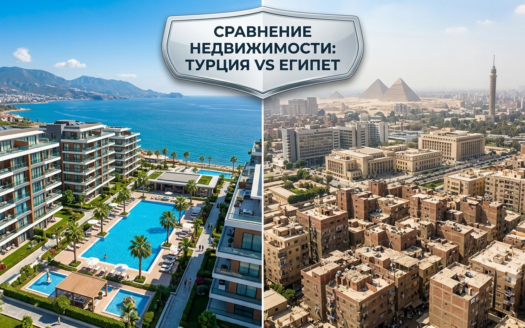
Two warm countries, two seas, two completely different worlds. The search query "Turkey or Egypt" is one of the most common among those choosing where to go on vacation, spend the winter, or move permanently. At first glance, the countries are similar: warm, close by, the sea, and cheap fruit.
But when comparing Turkey and Egypt for long-term stays, relocations, or property purchases, the differences become stark. Egypt offers affordable "sea and sun" for 10-14 days, with diving within the hotel grounds. Turkey offers a full European standard of living on the Mediterranean coast, a comfortable place to raise children, work remotely, buy a home, and feel right at home.
In this article, we, the Uptrend Homes team, will honestly compare both countries across 15 key parameters. Without advertising or bias—just the facts to help you make a decision.
Climate: Where is it hotter—Egypt or Turkey—and what does that mean for life?
If you're wondering where it's hotter, Egypt or Turkey, the answer is clear: Egypt. And that's not always a plus.
Turkey (Alanya, Antalya) has a balanced Mediterranean climate. The resorts are surrounded by the green Taurus Mountains, pine forests, and orange groves. Summers are hot (32–38°C), but the breeze makes them bearable. Winters are mild (14–17°C), and you can walk around in a T-shirt.
Egypt (Hurghada, Sharm el-Sheikh) has a desert climate with extreme summer heat (steadily above 40°C in the shade). The surrounding countryside is strictly desert, with greenery only found where artificial irrigation is available. Dust storms (khamsin) occur in the spring, and winter nights are cold (down to 10°C).
Turkey or Egypt in August is a different matter. In Egypt, being outdoors during the day in August is physically challenging: the asphalt is melting, the air conditioners are running at full blast, and you can only leave your room early in the morning or late in the evening. Turkey is also hot, but thanks to its well-developed infrastructure, shady parks, and sea breeze, it's easier to bear.
Conclusion: Türkiye wins in terms of a comfortable climate all year round.
Sea and Beaches: Vacations in Türkiye or Egypt
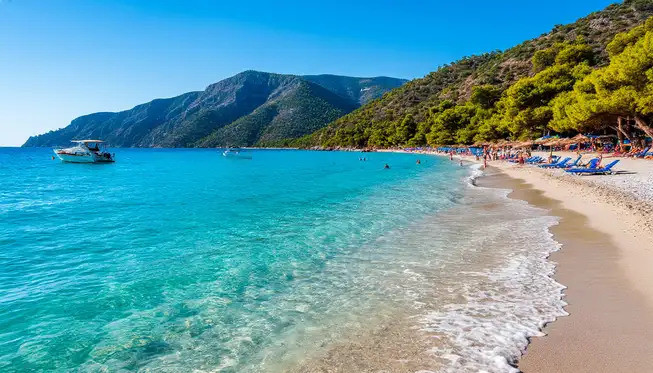 If your scenario is „vacation Türkiye or Egypt,“ then it all comes down to what exactly you’re looking for.
Turkey — the Mediterranean Sea, sandy and pebble beaches, gently sloping waters. The water is warm from May to November. Wide embankments, a promenade, cafes, and barefoot walking are all available. Ideal for families with children and those who enjoy a comfortable beach holiday.
Egypt's Red Sea is one of the most beautiful in the world. Coral reefs, diving, and snorkeling are world-class. However, entry into the sea is often via a pontoon (unsuitable for children and the elderly), hotel beaches are limited, and beyond the resorts, it's a different world.
Conclusion: For diving and exploring the underwater world, Egypt is unrivaled. For a comfortable beach holiday with walks, children, and infrastructure, Türkiye is the place to be.
Real Estate: Buying and Renting Housing for Foreigners
Türkiye: Developed and civilized market.
Standard SitesiWhen you buy or rent an apartment in Turkey, you get not just square meters, but the infrastructure of a 4-5-star mini-hotel. A gated, guarded area, indoor and outdoor swimming pools, saunas, hammams, fitness centers, and playgrounds and sports fields right in the courtyard are standard features.
Finished: Apartments are delivered with high-quality finishing, kitchen units and plumbing.
Legal Transparency: Foreigners Receive TAPU (certificate of ownership of real estate and a share of the land under the house) on the basis of unconditional ownership (Freehold). The process is transparent and strictly regulated by the state.
Egypt: Foreigners are limited by legal restrictions, and transactions are less transparent. Construction quality in mass-market properties is low: problems with utilities and finishing are common. Gated communities do exist, but their maintenance and surrounding infrastructure are significantly inferior to Turkish standards.
Conclusion: For purchasing real estate and long-term rentals, Türkiye is objectively more reliable, simpler, and offers a fundamentally different level of living comfort.
Home Layouts and Culture: Family Comfort vs. Utility
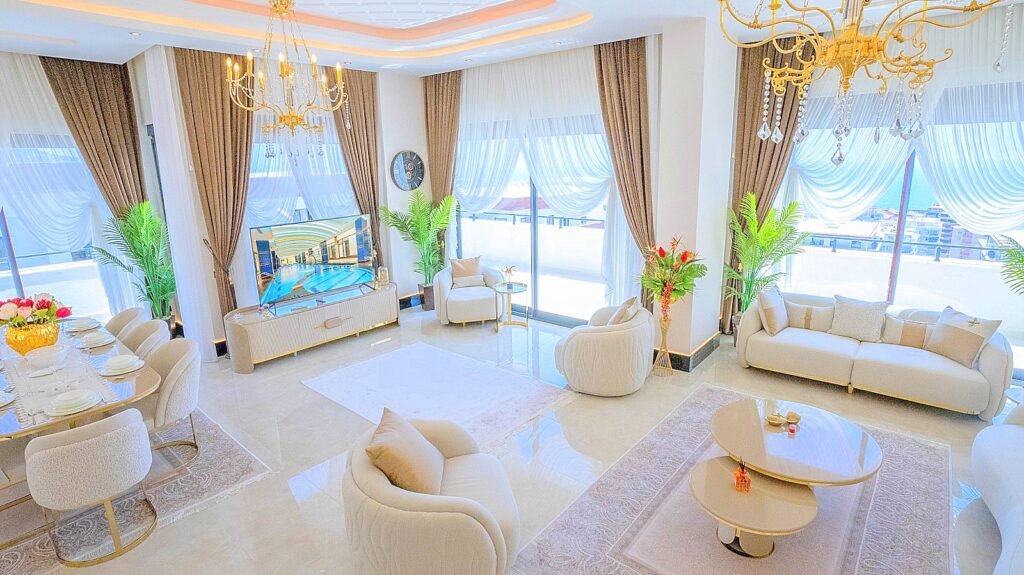 The difference in the approach to construction is visible at first glance at the apartment plan:
How they build in Turkey: Homes are designed for the long-term comfort of the entire family. Turkish construction standards include spacious living rooms, large kitchens, and wide balconies and terraces that double as summer dining areas. In apartments of 2+1 there are always 1-2 rooms (parents and guests), and the house itself is located in a closed residential complex (sitesi) with swimming pools, a gym, playgrounds and security.
How they build in Egypt: Mass-market apartments are designed for spartan conditions or quick turnaround for tourists. Kitchens are often cramped, windowless nooks, multi-bedroom apartments have only one bathroom, and the dense construction can cause room windows to open onto blind ventilation shafts. Beyond the doorstep is a dusty street with no yard or greenery.
The main contrast: Turks build complete homes for long-term family life, with well-thought-out ergonomics and infrastructure. Egyptian mass-market homes offer only utilitarian "four-walled" homes, where every element of everyday comfort must be fought for.
Visa regime and residence permit
Turkey: visa-free entry for citizens of Russia, Kazakhstan, and many CIS countries for 60–90 days. A tourist residence permit (ikamet) is issued for 1–2 years, provided you rent or purchase real estate. The process is streamlined and straightforward.
Egypt: visa on arrival (25–30 days, extendable). A residence permit is available, but the process is bureaucratic and less predictable. Long-term stays require regular extensions.
Conclusion: Türkiye is simpler and more understandable for those who plan to live long-term.
Urban environment: the opportunity to go beyond the hotel into the city
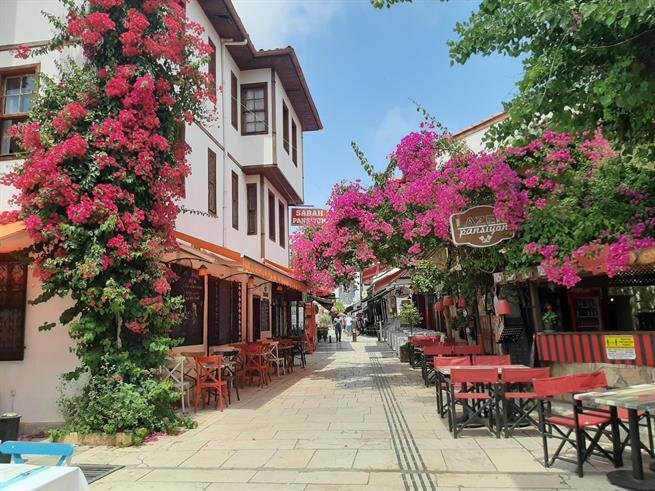 This is a key point for maintaining your usual way of life in the country.
Türkiye: A true European hiking culture has developed here, and the infrastructure is fully geared towards it.
- Parks and squares: Green spaces are literally everywhere in Turkey. Every residential complex and every neighborhood has its own park or square with benches, fountains, playgrounds, and sports fields.
- Outdoor culture: Turks love spending time in parks. It's common to leisurely sip tea, chat with friends and family, and relax in the shade of trees. Many parks have specially equipped barbecue areas where you can grill kebabs or have a picnic overlooking the sea or mountains. It's a whole culture—family weekends in nature, evening tea gatherings, and children's birthday parties in the park.
- Embankments and pedestrian areas: Wide, well-maintained promenades along the sea, pedestrian streets in city centers. Turks love to stroll: in the evenings, families go out on the promenade, drink tea in parks, and children run safely nearby.
- Renting a bicycle or scooter and riding along a dedicated path is common practice.
Egypt: Life in Egypt's resort areas is often confined to hotels or gated compounds. Venturing beyond these means finding yourself on a dusty street or in the desert, devoid of the usual sidewalks and park infrastructure, and crossing the road is a real quest.
- Lack of sidewalks: Outside of hotel grounds or gated communities, sidewalks are often simply nonexistent. Where they exist, they may be broken, torn up, or completely blocked by parked cars.
- There's no culture of strolling: Egyptians have virtually no tradition of "just strolling" around the city in the European or Turkish sense. There are no parks with barbecues, no tradition of drinking tea al fresco in public gardens, no family picnics in the countryside. Life is structured around the principle of "point A (home/hotel) - taxi - point B (mall/cafe).".
- Road Chaos: Crossing the road in a busy area is a real quest and a life-threatening risk. Traffic is chaotic, there are often no markings or signs, and traffic rules are poorly observed. Dust, heat, and the lack of safe areas for pedestrians make independent walks uncomfortable and even tiring. The only exceptions are a few elite gated resorts (such as El Gouna), but these are the exception that proves the rule.
Conclusion: In Turkey, you're mobile and free: you can leave your home, walk to the sea, sit in the park, grill kebabs with friends, or walk to the store. In Egypt, you're essentially tied to your hotel or forced to travel door to door exclusively by taxi.
Level of service and mentality
Türkiye: Turkish service is renowned for its respect for personal space. Salespeople and taxi drivers are friendly but far less intrusive. It's a secular, socially stable country with a clear legal system and an extremely low level of street crime. Resort areas are safe, and you can walk around at any time. Turkey is a secular country with Islamic roots. Women wear both the hijab and miniskirts—it's a matter of personal choice. In large cities and resorts, no one looks askance at revealing clothing. Service is discreet and respectful.
Egypt: One of the main problems remains pushy street service and the "baksheesh culture." Constant attempts to sell services or extract tips for literally everything can quickly become tiresome during a long stay. The country lives under stricter police control, and economic instability is much more acute. Furthermore, society is significantly more patriarchal. Women in covering clothing (hijab, niqab, or long clothing) are the majority. Outside of tourist hotels, women in revealing clothing may be met with questions, ranging from sidelong glances to intrusive attention. Female tourists are advised to dress modestly.
Conclusion: Türkiye offers freedom of choice—in clothing, behavior, and lifestyle. In Egypt, you have to adapt to local norms.
Medicine: from fillings to plastic surgery
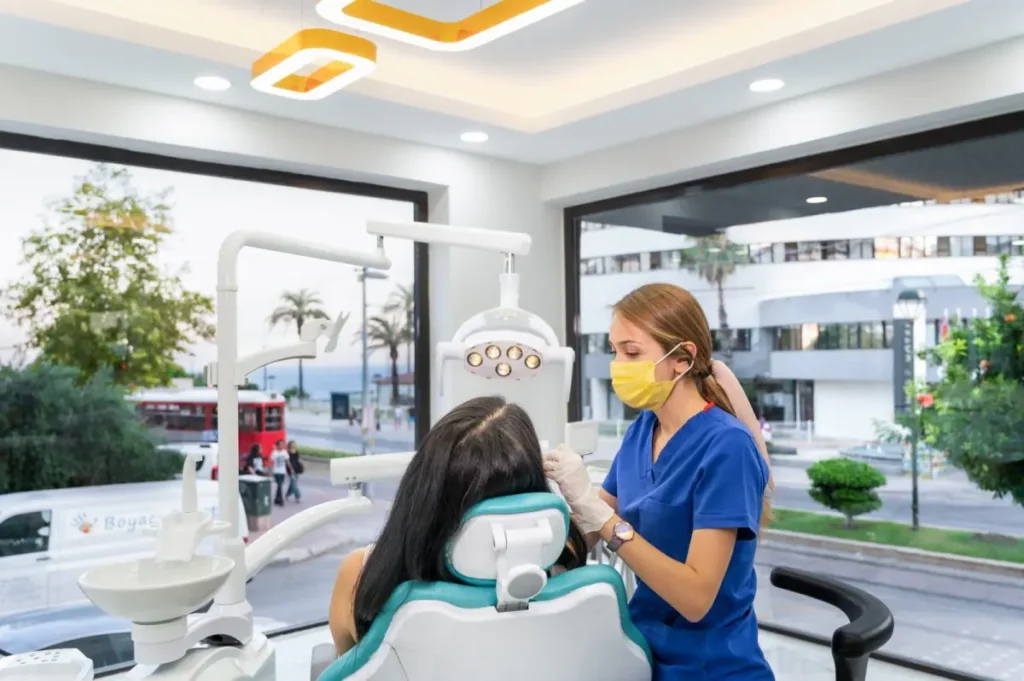 Healthcare is something many people underestimate when choosing a country to live in. And they should. Because when you get sick in a foreign country, the difference between "good" and "bad" is especially acute.
Türkiye: Turkey's healthcare system is one of the best in the region, combining modern technology, European standards of care, and affordable prices.
- Modern clinics: In resort areas (Alanya, Antalya), there are private clinics of international standing—Medical Park, Memorial, and Anadolu. The equipment is new, the sterility is top-notch, and the service is like a good hotel.
- Language barrier: Many doctors speak English, and in regions with a large influx of expats (Mahmutlar, Alanya), you can find Russian-speaking specialists - general practitioners, pediatricians, dentists.
- Medical tourism: Türkiye is a world leader in this field. People from all over the world fly here:
- Dentistry: implants, veneers, whitening – quality on par with European clinics, but lower prices.
- Hair transplant: Türkiye is the world capital of this procedure. Thousands of patients come here every year for new hair.
- Plastic surgery: breast augmentation, rhinoplasty, facelift, liposuction – Turkish surgeons are renowned for their skill and experience.
- Aesthetic cosmetology: Botox, fillers, mesotherapy – everything at a high level.
- Insurance: Health insurance is required to obtain a residence permit. It's affordable, ranging from $150 to $500 per year, depending on age and coverage. This insurance covers treatment at public and many private clinics.
- Ambulance: Works quickly, number 112. In emergency cases, you will be taken to the nearest hospital.
Egypt: The medical situation here is much more complicated.
- Tourist areas: There are private clinics in Hurghada and Sharm el-Sheikh, but their level is basic. They handle simple cases like colds, poisoning, and minor injuries. For more serious treatment, you'll need to go to Cairo or Alexandria, which is a 6-8-hour bus ride or flight away.
- Quality: The range is huge. There are good private clinics, but they are few and far between and expensive. Public hospitals are overcrowded, with long waiting lists and outdated equipment.
- Language barrier: Doctors speak Arabic, some speak English. There are almost no Russian-speaking specialists.
- Insurance: It's possible to get it, but coverage is often limited. Many expats prefer to fly to Turkey or Europe for treatment.
- Medicines: Pharmacies have basic medications, but many imported medications are unavailable or expensive due to customs duties.
Conclusion: Turkey is a clear winner across all parameters—quality, accessibility, prices, and choice of specialists. If you plan to live a long life, access to high-quality medical care close to home isn't a luxury, but a necessity. And in Turkey, this necessity is fully met.
Infrastructure near the house, internet and household amenities
 Turkey: European standards. Supermarkets, shopping malls, banks, pharmacies, schools, and kindergartens are all within walking distance. Every residential complex and its surroundings have shops, cafes, and pharmacies. Alcohol, cigarettes, and other groceries can be purchased from a kiosk near your door. High-speed mobile internet (4G/5G) and delivery from Trendyol and Hepsiburada.
Egypt: Infrastructure is concentrated in tourist areas and large cities. Large condo complexes often lack shops near the buildings—you have to drive to a supermarket. Alcohol is unavailable—only in specialized stores, and even then, not everywhere. Internet is unreliable, and VoIP is often blocked (WhatsApp and Telegram can work intermittently).
Conclusion: For everyday life and remote work, Türkiye is incomparably more convenient.
Getting Around the City: Transport and Logistics
If you plan to travel extensively by transport and take evening strolls, this point will be crucial.
Türkiye: The transport system is well developed and caters to both locals and expats.
- Public transportation: Municipal buses run frequently and on schedule, dolmushes (minibuses) cover all areas, and Alanya and Antalya have a convenient tram system. Payment is available by contactless or with a transport card.
- Taxi: Operates strictly by the taximeter. Apps (BiTaksi, Uber) also work well, eliminating price scams.
- Rental: Renting a car, scooter, or bicycle is a matter of minutes. Rental offices are everywhere, the terms are transparent, and the roads are high-quality, with markings and signs.
- Walkability: Wide sidewalks, equipped crossings and long embankments make walking safe and enjoyable.
Egypt: Getting around here is much more difficult and often a source of stress.
- Public transportation: It's practically unsuitable for foreigners. Local minibuses are chaotic, with no clear stops or schedules. There are no trams or metro in resort towns.
- Taxis: This is the primary mode of transportation. However, meters often don't work, and harsh bargaining before each ride is a necessary ritual. Apps (Uber, InDrive) exist, but drivers often cancel orders or ask for inflated cash fares.
- Renting: Renting a car is strongly discouraged for foreigners. Chaotic traffic, lack of road markings, driving on the wrong side of the road, and a unique driving culture make it dangerous and nerve-wracking. Renting scooters also poses high road risks.
- Walkability: Very poorly developed. Sidewalks are often nonexistent, sometimes ending in a slump or occupied by parked cars. Crossing the road in busy areas is a real challenge.
Conclusion: In Turkey, you're mobile, independent, and can easily get around any way you like. In Egypt, you're essentially tied to a taxi or your hotel/condo.
Food and Cuisine: Gastronomy and Familiar Products
 Food isn't just nutrition; it's part of everyday life. And when you live in a country for months rather than weeks, the question "what will I eat tomorrow" becomes very important.
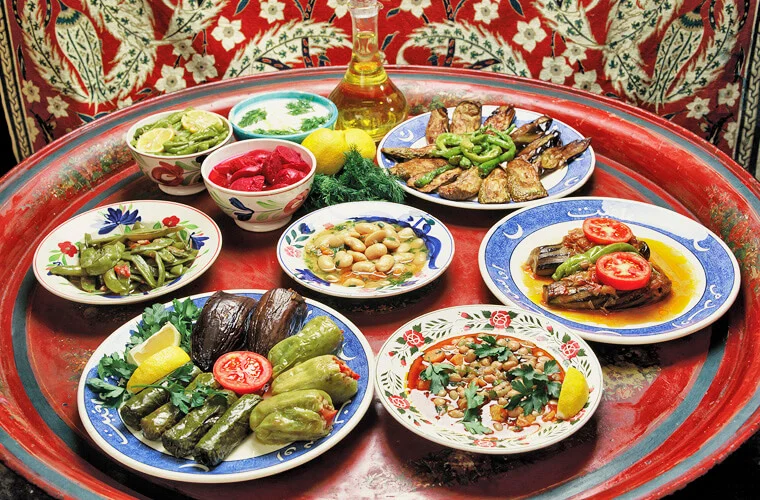
Turkey: Turkish cuisine is among the best in the world, and that's no exaggeration. Kebabs, meze, seafood, fresh pastries, sweets, olive oil—all of this is on the table every day. But the most important thing is the variety and availability of familiar foods.
- International Community: Turkey has a huge Russian-speaking and international community that is fully integrated. This means a market for familiar products has also developed.
- Shops with Russian and Ukrainian products: There are plenty of them in Mahmutlar, Alanya, and Antalya. Sour cream, cottage cheese, buckwheat, pelmeni, herring, sauerkraut, and the usual candies—all of this can be bought at a regular local store. No need to hunt for buyers or wait for a package to arrive from home.
- Coffee shops and bakeries: There are countless of them. Traditional Turkish pastries (simit, börek, pogaça, acma) are fresh, aromatic, and inexpensive. Plus, there are plenty of coffee shops with European cakes—cheesecakes, tiramisu, Napoleon cakes, honey cakes, éclairs, croissants. The dessert selection is impressive.
- Vegetables: Turks eat a huge variety of vegetables—fresh salads, baked, stewed, stuffed. Tomatoes, cucumbers, peppers, eggplants, greens—everything is local, seasonal, tasty, and inexpensive.
- Restaurants: A huge variety—Russian, Caucasian, Kazakh, European, and Asian. Imported products are available, albeit at a premium.
Egypt: Egyptian cuisine is significantly simpler and more monotonous. If you're staying for a week at an all-inclusive hotel, you won't even notice. But if you're planning a longer stay, the difference will be obvious.
- Traditional cuisine: Koshari (a mixture of rice, pasta, and lentils), ful (bean stew), falafel, and grilled meats. There are many fatty, fried foods. Vegetables are significantly less common in the local diet than in Turkey.
- Pastries and desserts: The local baked goods aren't varied—they're more traditional and Eastern. The cake scene is disappointing: most bakeries limit their selection to either chocolate cake or mango cake. Cheesecake, Napoleon cake, honey cake, or a proper charlotte—you'll be hard-pressed to find one.
- Familiar products: Russian and Ukrainian products (buckwheat, canned goods, snacks, and familiar sweets) aren't readily available in stores. They need to be ordered from buyers—people who fly to Turkey or Europe and bring the products with them. This is more expensive, less convenient, and depends on the buyer's schedule.
- Cafes and restaurants: Outside of hotels, choices are limited. Restaurants serving European cuisine or sushi are often higher in price than in Turkey, but the quality is lower. Imported foods (wine, cheese, chocolate, salmon) are subject to a luxury tax and are very expensive.
- Sanitary standards: In outdoor establishments, this is a question mark. The risk of "pharaoh's revenge" (intestinal disorders) is real, especially in the first few months.
Conclusion: Turkey is a true gastronomic paradise. Here you'll find delicious local food, familiar comfort foods from home, and European desserts at the coffee shop around the corner. Egypt is fine for a short hotel vacation, but for a longer stay, the monotony of the diet, the lack of familiar foods, and the dependence on "buyers" become a serious drawback.
Türkiye or Egypt with Children: Education, Socialization, and Safety
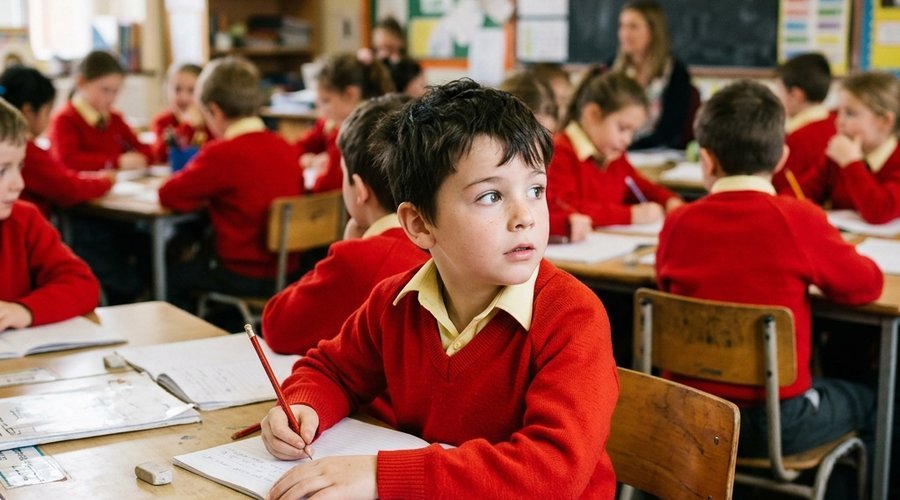 For families with children choosing a country to relocate to or buy a home, this factor becomes crucial. It's important to understand not only where the child will spend the summer but also what the country will offer them over the next 5-10 years.
Türkiye: A Full-Fledged Ecosystem for Development
- Education for every choice: In resort regions (Antalya, Alanya) and large cities, there is a well-developed network of educational institutions:
- International Schools: English-language programs IB и A-Level, whose diplomas open doors to universities in Europe and the USA.
- Private Turkish Colleges (TED, Doğa, Bahçeşehir): High-level equipment (swimming pools, laboratories, robotics), advanced English and Turkish languages.
- Russian-language schools: Official private schools with a standard curriculum and certification.
- Safe Childhood: In Turkey, the culture is child-centered—children are truly loved and cherished. Thanks to gated communities (sitesi) with playgrounds and security, children can play peacefully in the yard without the overprotectiveness of their parents.
- Socialization and Leisure: Alanya and Antalya boast a vibrant international community. Sports clubs (tennis, swimming, football), art studios, and development centers are available at every turn.
Egypt: Limited Choice and Isolation
- Schools only in major cities: There are strong international schools in Cairo, but in Hurghada and Sharm el-Sheikh, the choice of educational institutions is extremely limited, and the quality of education often does not meet European expectations.
- Lack of walking environments: Resort towns lack the usual children's parks and safe courtyards. Children often find themselves locked within the walls of their apartments or hotels—going outside on their own is simply impossible.
- Integration challenges: Outside of hotel zones, it is more difficult for children to adapt due to language and sociocultural barriers, and children's infrastructure outside of large hotels is practically undeveloped.
Conclusion: Türkiye offers a clear, safe, and European-style environment for raising children—from kindergarten to admission to world-class universities. Egypt, a resort destination, leaves families confined to hotel-style isolation.
Transportation and accessibility: where to fly – Egypt or Türkiye
If you're deciding whether to fly to Egypt or Türkiye, here are the facts.
Turkey: Two international airports near resorts (Antalya and Gazipasa). Direct flights from Moscow, St. Petersburg, Kazan, Yekaterinburg, and many cities in the CIS and Europe. A well-developed network of buses, dolmushes, and taxis makes traveling between cities easy.
Egypt: Airports in Hurghada and Sharm el-Sheikh. Direct flights from Moscow and major cities. However, transportation within the country is poorly developed, and travel between resorts is long and inconvenient.
Conclusion: Türkiye is more accessible and convenient for both flights and travel within the country.
Which is cheaper – Türkiye or Egypt: An honest breakdown of the monthly budget
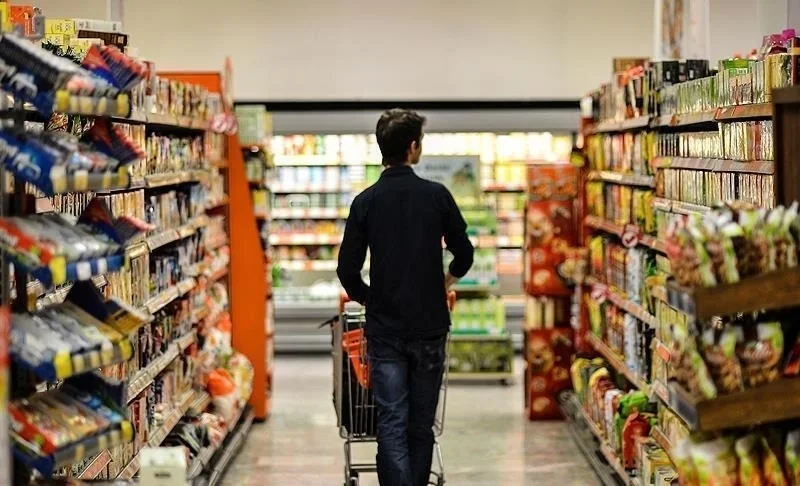 Many believe that life in Egypt is worth next to nothing. On basic local products, yes. But if you calculate the actual monthly budget of someone who wants to live comfortably, not just survive, the picture changes.
For the sake of objectivity, we will take the average monthly expenses per person in popular resort areas (Alanya/Mahmutlar vs. Hurghada/Sharm el-Sheikh) in dollar equivalent to offset fluctuations in local currencies.
1. Renting a home
- Egypt: $250–450 per month. But there's a catch: for this price, you often get an apartment with basic, heavily worn furniture, old air conditioners, and no pool. Many landlords require 3–6 months' rent in advance, and contracts are often informal, with no legal protection for the tenant. The concept of a "management company" is practically nonexistent there.
- Turkey: $400–700 rubles per month (for a good, modern 1+1 apartment). For this price, you get housing in a residential complex with a swimming pool, 24-hour security (kapici), a gym, parking, and a transparent, official contract registered with government agencies.
- Result: In Turkey, you pay a little more, but you buy European comfort, safety and predictability, not just a roof over your head.
2. Products and food
- Egypt: Local fruits and vegetables are indeed very inexpensive. But as soon as you start to diversify your menu, the "luxury tax" kicks in. Imported cheeses, chocolate, salmon, olive oil, and alcohol are two to three times more expensive than in Turkey. Lunch at a decent restaurant serving European or Asian cuisine (sushi, pasta) will cost between $20-40, which is often more expensive than in Alanya.
- Turkey: Local seasonal fruits and vegetables are also very affordable. Meanwhile, imported produce, familiar dairy products, cereals, and meat are available at reasonable prices in any supermarket. The average bill at a good cafe with a varied menu is $8–15 per person.
- Result: In Turkey, you can eat more varied and better quality food for the same or less money.
3. Utilities and Internet
- Egypt: $40–80 per month. Electricity can be unstable (in some areas, there are rolling blackouts). Mobile internet and home Wi-Fi are often intermittent, have data limits, or are slow, which is critical for remote work.
- Turkey: $60–120 per month (varies greatly by season: air conditioning is active in summer and winter). However, you get stable home fiber-optic internet (100+ Mbps) for $15–25 and excellent 4.5G/5G mobile internet with no strict limits.
- Result: Türkiye wins in terms of stability and quality of communications, which is critically important in 2026.
4. Basic expenses (transportation, pharmacy, household chemicals)
- Egypt: Taxis are the main form of transportation, but meters often don't work, requiring tough bargaining for every ride. European household cleaning products, cosmetics, and many medications are expensive due to high customs duties.
- Turkey: Well-developed public transportation (dolmuş, buses) costs $0.50–0.70 per ride. Taxis operate on a meter or through fixed-price apps. Pharmacies and shops selling European cosmetics and household cleaning products are everywhere at affordable prices.
Overall budget conclusion:
- The minimum comfortable budget in Egypt is ~$600–800 rubles per month. But it comes with constant compromises: monotonous food, unstable internet, lack of infrastructure near the house, and the need for constant bargaining.
- A comfortable budget in Turkey: ~$800–1200 rubles per month. You get modern housing in a residential complex, a varied diet, stable internet, security, and freedom of movement without stress.
Summary from Uptrend Homes: Egypt may seem cheaper on paper. But in Turkey, you're paying for quality of life, not survival. And this price-quality ratio makes Turkey an objectively better choice for long-term living.
Türkiye or Egypt: Which is Better? — The Honest Bottom Line
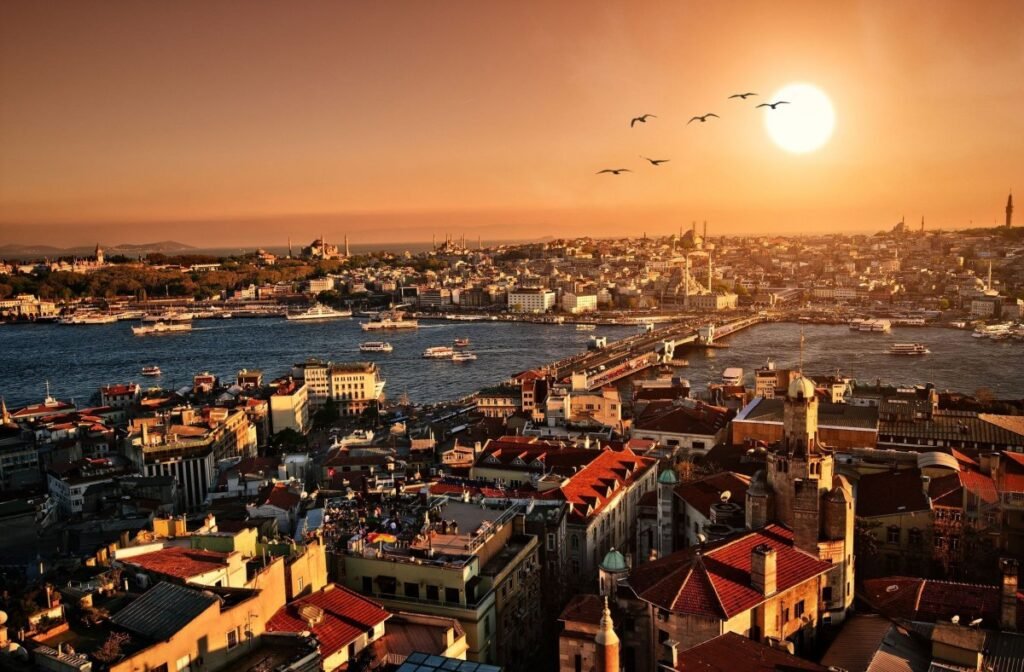 Let's sum it up. Both countries are warm and boast seaside charms, but they are designed for completely different lifestyles.
Egypt is a good choice if:
- Your main and only goal is diving, snorkeling and the Red Sea.
- Your budget is very limited, and you are willing to accept a basic level of service, amenities, and healthcare.
- You are going on a short vacation (1-2 weeks) in an all-inclusive hotel format and do not plan to actively explore the country beyond its borders.
- You are not bothered by the patriarchal way of life of society, intrusive service, the need to constantly bargain, and certain restrictions in the choice of clothing for women.
Türkiye is the best and only right choice if:
- You plan to live for a long time - from 3 months until receiving a temporary or permanent residence permit.
- You want to buy real estate or rent an apartment for a long term (with an official contract and full legal support) safely and transparently.
- Safety, quality healthcare (from pediatrics to dentistry and checkups), and a well-developed urban infrastructure are critically important to you.
- You are moving with your family and children (gentle entrance to the sea, playgrounds in every yard, calm and friendly environment).
- You are a woman, and complete freedom in choosing clothes, behavior and lifestyle without sidelong glances or intrusive attention is essential for you.
- You value a comfortable Mediterranean climate, fast and stable internet for remote work, and European-level service.
- You want to feel like a full-fledged resident, part of a huge international community, and not just a tourist on the hotel grounds.
- It's important for you to have familiar foods on hand, European desserts in coffee shops near your home, and alcohol in a regular store, without depending on the schedules of "buyers.".
- You want complete freedom of movement: clear public transportation, honest metered taxis, and the ability to easily and safely rent a car or scooter.
- What's important to you is the opportunity to simply leave the house and take a walk in the park, sit with friends by the grill, and drink tea in the fresh air.
Conclusion
Turkey and Egypt are different countries for different purposes. Egypt is wonderful for a short vacation and diving. But when it comes to living, relocating, buying or renting real estate, Turkey wins on most counts: safety, healthcare, infrastructure, climate, visa regulations, freedom of choice, and market transparency.
At Uptrend Homes, we specialize in real estate in Turkey—Alanya, Mahmutlar, and Gazipasa. If you're considering Turkey for living, vacationing, or investing, contact us. We'll find an apartment that fits your budget, show you the area, and answer all your questions.