





Türkiye or Georgia – which to choose for life, leisure, and investment?
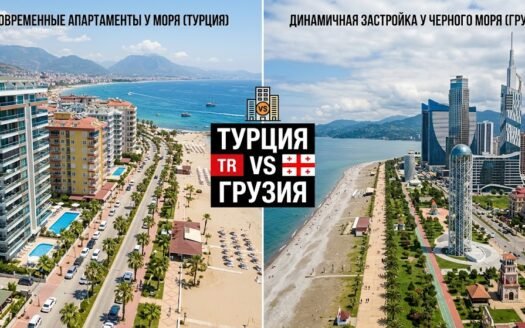
In 2026, the search query "Turkey or Georgia" remains one of the most popular among those considering relocating, wintering, or buying property. Both countries regularly top search queries among expats from the CIS and Europe. However, they offer completely different levels of living comfort.
To be honest, Georgia is all about superficial charm, warmth, mountains, and wine for a short weekend. Turkey is all about European standards of comfort, predictability, safety, and a fulfilling life by the sea. In this article, we, the team at Uptrend Homes, will analyze both countries based on key parameters—no embellishment, just the facts.
1. Housing culture: Which is better, Georgia or Türkiye? (The "Sitesi" system)
This is perhaps Turkey's main housing advantage. Most modern homes here are built as gated communities (sitesi) with their own well-developed infrastructure:
- Guarded area and parking
- Outdoor and indoor swimming pools
- Saunas, hammams, fitness centers
- Barbecue areas and playgrounds
- Own generators in case of power outage
You're not just buying square meters of an apartment, but the infrastructure of a 4-5-star mini-hotel.
In Georgia, infill development and older housing predominate. A lack of courtyard infrastructure, parking problems, unlit entryways, and noise from neighbors are the reality of most districts in Batumi and Tbilisi. The concept of a "sitesi" with developed services is practically nonexistent there.
Conclusion: In Georgia you buy walls, in Turkey you buy a ready-made lifestyle. Infrastructure sitesi eliminates any everyday problems, providing a level of comfort and safety that is simply absent in the Georgian market.
2. Construction quality, finishing and apartment formats
 Turkey: "Move in and live" standard. Apartments from developers are almost always delivered fully finished, with kitchen units, equipped bathrooms, and plumbing fixtures. Modern monolithic frame construction is focused on high seismic resistance and durability.
Georgia: Apartments are often sold as "black or white frame" apartments. This requires months of renovations, patience with noisy neighbors, and constant personal supervision by builders, which entails additional costs and stress.
Conclusion: For an expat or investor, the Turkish "move in and live" format is the only right choice. It allows you to immediately start using the apartment or rent it out, without investing additional money and effort into noisy, unpredictable renovations in a foreign country.
3. Legal basis and protection of property (TAPU)
Turkey: When purchasing real estate, a foreigner receives a TAPU (tax deed of freehold ownership), which includes a share of the land beneath the property. The registration process is strictly regulated by the state, requires a mandatory independent expert assessment, and is conducted through state cadastral authorities, which reliably protects the buyer.
Georgia: The purchasing process is simple and quick, but guarantees for construction quality and subsequent home maintenance are significantly weaker. The market is less transparent, and transactions are often based on trust.
Conclusion: In Turkey, you get a legally sound asset with full rights protection. In Georgia, you're buying a high-risk property, where a lack of market transparency can turn the purchase into a headache.
4. Real estate liquidity and rental business
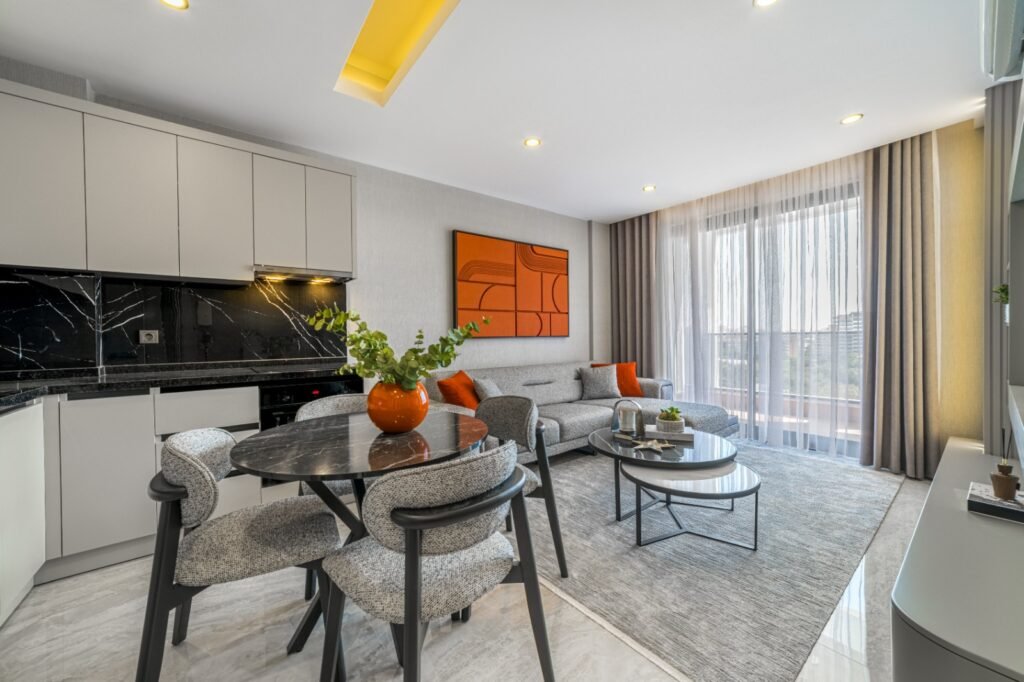 Turkey: High and predictable year-round rental demand. The market is clearly segmented: in winter, apartments are rented by winter residents from Europe and the CIS, while in summer, it's frequented by mass tourists. High liquidity: an apartment in a high-quality residential complex (sitesi) in Alanya or Mahmutlar can be rented out within a couple of weeks and, if necessary, sold on the secondary market without a significant loss in price, as demand for quality housing always exceeds supply.
Georgia: Buying an apartment to rent out here is essentially a high-risk lottery.
- There's no global demand: Batumi and Tbilisi are primarily visited by guests from the former Soviet Union. Europeans, Arabs, and Scandinavians, who form the main pool of renters in Turkey, are not traveling to Georgia in large numbers.
- A price paradox: The cost of new apartments in Batumi with a "sea view" is often comparable to housing prices in Turkey. But in Turkey, for the same price, you get infrastructure, while in Georgia, you often get just a concrete box in a high-rise building with no courtyard.
- The Competition Trap: In the summer, you'll find yourself in a situation of brutal price dumping. A single embankment can be lined with dozens of identical high-rise buildings, where hundreds of owners rent out identical studios, driving daily rental prices down to the minimum.
- Off-season: In winter, Batumi becomes a ghost town. Tourists leave, and many cafes and services close. Renting such apartments long-term to locals is virtually impossible: they don't want high floors with expensive heating bills, and expats prefer Tbilisi or, indeed, Turkey.
- Low liquidity: Selling such an apartment on the existing market quickly and at a reasonable price is extremely difficult. The market is oversaturated with similar listings, and buyers dictate their terms, driving down the price significantly.
Conclusion: Buying property in Georgia for rent offers low returns and high risks of vacancy. You're paying prices close to Turkish prices for a property that sits empty for six months and faces competition. In Turkey, you're buying a real, liquid asset with a transparent, year-round return on investment and a clear prospect of market value growth.
5. Climate, sea and swimming season
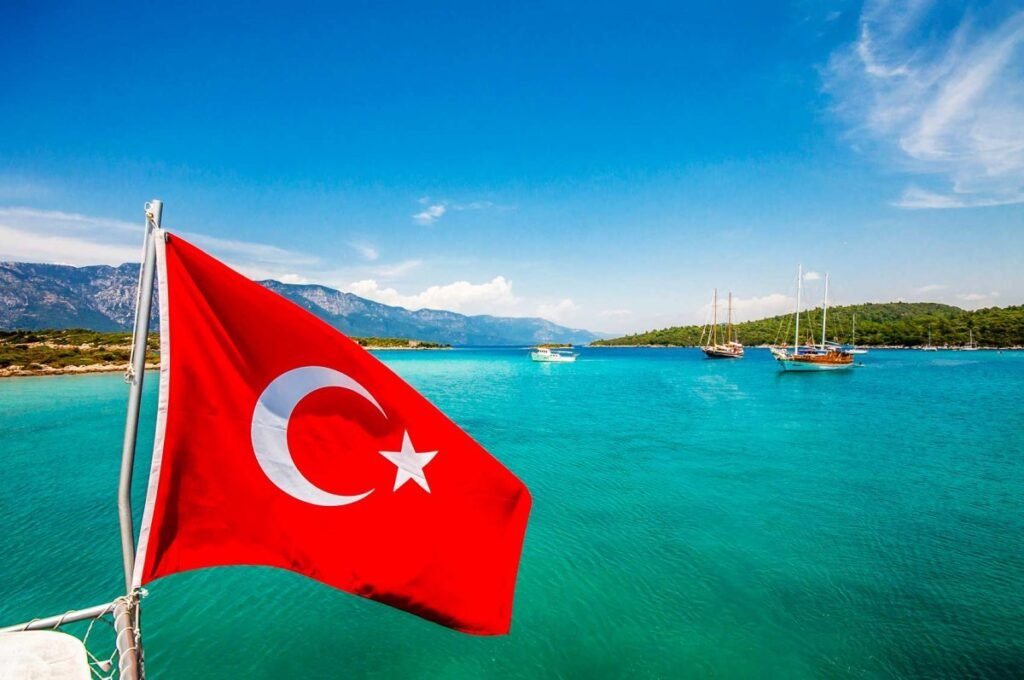 Turkey: Mediterranean climate (Alanya, Antalya). Over 300 days of sunshine per year, warm sea water from April to November, dry and mild winters with no snow on the coast. Fresh produce is available year-round thanks to the region's developed agriculture.
Georgia: The swimming season is shorter because the Black Sea warms up more slowly than the Mediterranean. Black Sea coast (Batumi is known for its high humidity and heavy rainfall (especially in autumn and winter). Due to the humidity, +8°C in winter feels like +2°C, and strong winds from the sea often blow..
Conclusion: Georgia is ideal for a summer vacation. But for year-round seaside living, Turkey is the clear winner: you get 3-4 months more warm sea, mild winters without the sweltering dampness, and the opportunity to enjoy walks and fresh local produce 300 days a year.
6. Food, farmers markets and product quality
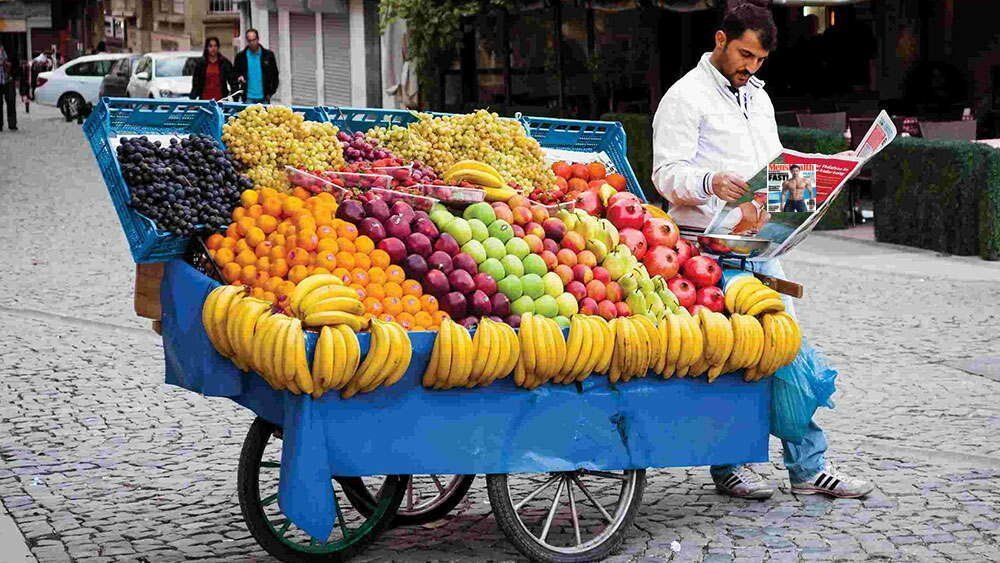
Turkey: This is no exaggeration. Turkey is an agricultural superpower. Weekly markets are found in every district, and you can truly buy strawberries, figs, vegetables, or fresh fish there at prices two to three times lower than in European or Russian supermarkets.
A huge international community has formed a stable market for familiar products: shops selling Russian and Ukrainian food can be found in every neighborhood. Turkish pastry shops (pastanes) and coffee shops have long adapted to the demands of expats and tourists. Napoleon cakes, honey cakes, cheesecakes, and éclairs are truly available at every turn, and the prices are very reasonable.
Georgia: The local market products (cheeses, herbs, jam, meat) are excellent, and the cuisine is rich.. But, Georgia is a small country with limited domestic production of many goods. Anything not grown or made locally (certain types of cheese, confectionery, specialized cereals, baby formula, European brands) is imported. Due to logistics, customs duties, and the small market size, these goods are more expensive and are often in short supply or subject to seasonal price fluctuations.
Conclusion: Georgia is wonderful for its authentic cuisine, but Turkey is the clear winner when it comes to comfort. Here, you get consistent quality, a huge selection of familiar products, and European-level gastronomy right at home, without overpaying for logistics and seasonal price fluctuations.
7. Children, education and development environment
 Türkiye: A thriving ecosystem for families. Turks are incredibly fond of children—every sitei courtyard has safe playgrounds where local children can play together without the overprotectiveness of their parents.
Education is a particular source of pride for the country. Turkey has been a member of the Bologna Process since 2001, meaning Turkish diplomas are recognized throughout Europe. Graduates from leading universities (METU, Boğaziçi, Koç) successfully work for international companies and are accepted to master's programs at Oxford, Cambridge, and top US universities.
Alanya, Antalya, and Istanbul are home to dozens of international schools offering IB (International Baccalaureate) programs, British (Cambridge, A-Level), and American curricula. Turkish children learn English from an early age. Multilingualism is the norm here, not the exception.
Georgia: Georgia is a wonderful country for childhood, thanks to its natural beauty, green parks, and child-friendly environment. The outdoor environment is well-developed, especially in the new neighborhoods of Tbilisi and along the Batumi waterfront.
However, in terms of education and prospects, the situation is more complex. International schools are concentrated primarily in Tbilisi, while in Batumi, the choice is significantly limited. The Georgian language is a complex barrier with its unique alphabet, which poses a significant obstacle for expat children.
The prestige of Georgian universities on the international market is significantly lower than that of Turkish ones.
Conclusion: If your children's prospects—education, languages, admission to a European university—are important to you, Turkey is a clear winner. Georgia is great for a peaceful childhood in nature, but for a serious education, Turkey offers incomparably more opportunities.
8. Medicine and healthcare
Turkey: A global hub for medical tourism. State-of-the-art private and public clinics with international accreditation (JCI) and efficient service. Dentistry, hair transplants, and plastic surgery are treated to world-class standards. The residence permit insurance system is efficient and accessible.
Georgia: Basic clinics in resort areas. For high-tech medicine and specialized services, you'll most often have to travel to Tbilisi.
Conclusion: Georgia is suitable for simple, everyday medical needs. But if you're relocating with family, have chronic illnesses, or value preventative healthcare, Turkey offers a far superior standard: from state-of-the-art diagnostics in your city to world-class treatment options, all accessible through affordable insurance.
9. Where is it cheaper in Turkey or Georgia: an analysis of the overall budget
 Many people wonder whether it's cheaper to live in Georgia or Turkey. Let's be honest: Georgia is cheaper when it comes to basic local food. But if you calculate the actual monthly budget of someone who wants to live comfortably, not just barely, the picture changes.
Türkiye (Alanya/Mahmutlar):
- Rent a modern 1+1 apartment in a residential complex with a swimming pool and security - $400–700
- Food and Cafe - $300–450
- Utilities and internet — $80–120
- Transport and small items — $100–150
- Total: $880–1420 per month
Georgia (Batumi/Tbilisi):
- Apartment rent - $300–500
- Grocery and Cafe - $250–400
- Utilities and Internet — $60–100
- Transport and small items — $80–120
- Total: $690–1120 per month
Conclusion: Georgia wins in absolute terms, but Turkey is the clear winner in terms of price-quality ratio. The difference in budget ($100-200 rubles per month) is more than offset by the fact that you get not just a roof over your head, but predictable European comfort, reliable infrastructure, and no compromises in everyday life.
10. Transport, roads, and where gasoline is cheaper in Georgia or Turkey
Turkey: Perfect highways, well-functioning public transportation (buses, dolmuş, trams). Taxis operate strictly by meter or through apps. Renting a car or scooter is a five-minute task.
Georgia: Transportation is less developed, especially between cities. Mountain roads are challenging and require special driving skills.
If you're wondering where gasoline is cheaper in Georgia or Turkey, the answer is: in Georgia, it costs around $1.0–1.2 per liter, while in Turkey, due to high excise taxes, it's one of the most expensive in Europe, around $1.3–1.5 per liter. BUT: Turkey has excellent public transportation, where a single ride costs $0.50–0.70. In Georgia, outside of Tbilisi and Batumi, owning a personal car is often essential, so any perceived savings on gasoline are offset by the need to buy or rent a car.
Conclusion: For long-term living, especially with children, Turkey is a clear winner. You get not just affordable transportation, but safe roads, clear traffic rules, and complete freedom of movement without the stress and risk that are inevitable when driving in Georgia.
11. Safety, mentality and attitude towards foreigners
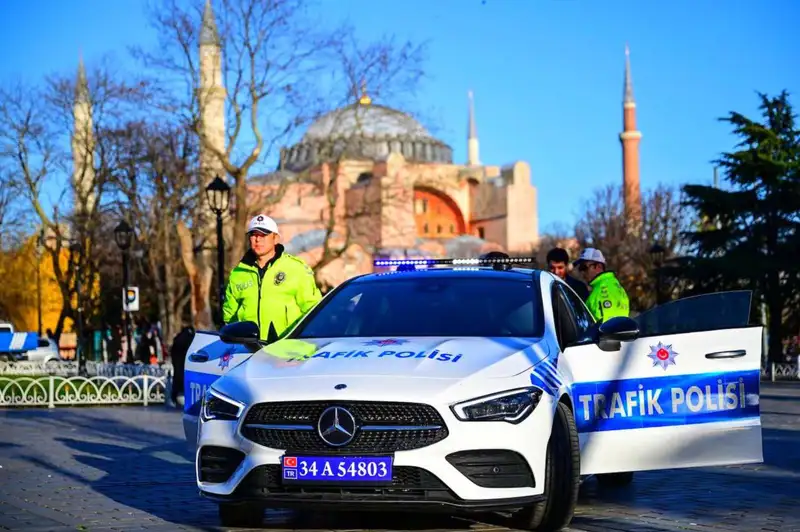 Türkiye: A secular state with a high level of street safety, respect for personal space, unobtrusive service, and a genuine love for children.
Georgia: Caucasian hospitality and openness, but the society is more traditional, Orthodox, and has strong patriarchal values. Human error and everyday non-compliance are sometimes present. It's also worth considering the geopolitical instability of a small country in a complex region.
Conclusion: Georgians and Turks have something in common: incredible hospitality, a love of delicious food, and emotional openness. But dig deeper, and the differences become fundamental. Georgia lives by the laws of a traditional, patriarchal society with a touch of post-Soviet chaos and the "human factor." Turkey (especially its coastal resorts) is a secular, business-oriented country where service, adherence to deadlines, and respect for personal boundaries work like clockwork.
12. Visa regime, residence permit and legalization prospects
Georgia: Ease of entry and stay—citizens of many countries enjoy visa-free travel for up to one year. Property purchasing is straightforward. The 1% tax break for IT freelancers is a real and significant advantage for digital nomads.
Turkey: Clear and structured Turkish residency programs (ikamet) are available with a lease or property purchase agreement. Citizenship by investment is also possible. The regulations are stricter, but the real estate market is vast, with clear standards and legal protections.
Conclusion: Georgia's tax breaks are attractive to solo digital nomads. But for families and investors building their future, Turkey is a clear winner. The opportunity to obtain a residence permit or citizenship by investment provides the stability, freedom of movement, and legal protection sorely lacking when living as a "perpetual tourist.".
13. Final analysis: which one is right for you?
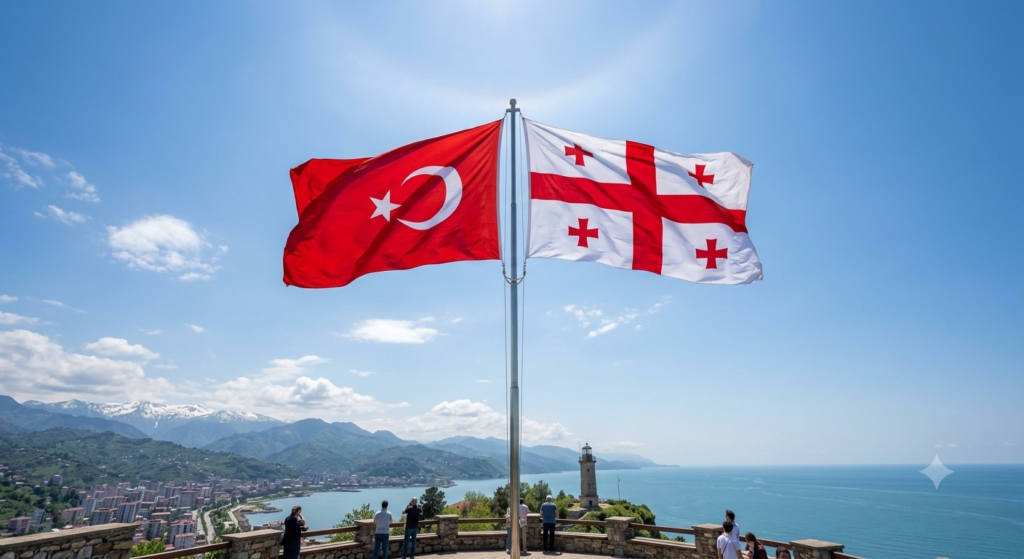 Who is Georgia definitely suitable for?
- For tourists on short weekends for wine, mountains and impressions.
- For solo freelancers who want to take advantage of the 1% tax relief.
- For connoisseurs of colour, Orthodox culture and the post-Soviet mentality.
- For those who do not plan to live by the sea and for whom developed household infrastructure is not critical.
Who is Türkiye ideal for?
- For families with children: safe courtyards, international schools, Russian-speaking pediatricians.
- For investors: liquid real estate with a transparent transaction and year-round rental.
- For those who appreciate European comfort: a residential complex with swimming pools, fitness facilities, and security.
- For those who value high-quality, world-class medicine.
- For women who value freedom of choice and safety.
- Remote workers: stable internet and a huge expat community.
- For those who want to feel like a full-fledged resident, and not a temporary guest.
Unexpected facts that are rarely written about
- Turks themselves travel to Georgia—for weekends, for wine, for the mountains. But they live in their own resorts: Antalya, Alanya, Izmir, Bodrum.
- In Georgia, Batumi is almost empty in winter—many cafes and restaurants close. Alanya is vibrant year-round.
- Turkey is one of the world's leading vineyards! Winemaking here has a thousand-year history. The regions of Cappadocia, the Aegean coast, and Thrace produce excellent wines that win international competitions. Turkish wine is a pleasant discovery for many expats.
Conclusion
Georgia is a beautiful, soulful, and delicious country for a short break. Turkey is a country where you can build a fulfilling life by the sea: with European comfort, international education for children, advanced healthcare, and a transparent real estate market.
If you are choosing between Georgia and Türkiye for living, moving, and investing, Türkiye wins on most counts.
At Uptrend Homes, we specialize in real estate in Turkey—Alanya, Mahmutlar, and Gazipasa. If you've chosen Turkey as your new home, contact us. We'll find an apartment in a high-quality residential complex with full amenities, show you the area in person, and answer all your questions.