





Türkiye or Thailand: Where is it better to live, buy property, and invest?
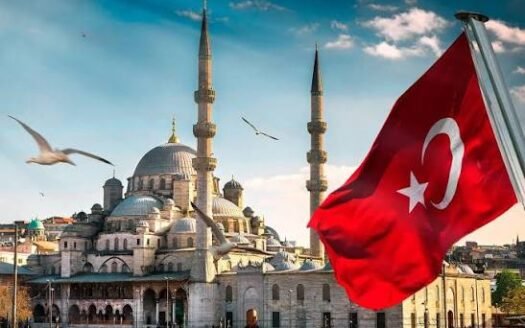
Choosing a country to purchase overseas property, relocate, or preserve capital is always a balancing act between comfort, legal protection, and quality of life. At Uptrend Homes, our clients often approach us with the same question: «"What to choose - Turkey or Thailand?"»
At first glance, both destinations offer similar resort experiences: warm seas, developed tourist infrastructure, and a reasonable cost of living. But when we begin to delve into the legal side of transactions and everyday life, it becomes clear that these are two completely different philosophical and economic systems.
In this article, Uptrend homes experts will honestly and thoroughly compare both markets so you can make an informed and strategic decision.
1. Ownership: 100% ownership versus long-term lease
The main parameter we always begin our consultation with at Uptrend Homes is the degree of legal protection for your purchase. And here, there's a huge difference between countries.
Türkiye: Inviolable Private Property (Freehold)
By purchasing real estate in Turkey, a foreigner becomes its sole owner with the rights Freehold (unconditional private property).
The main document is the TAPU (tax deed)—a state deed issued by the Cadastral Office. The TAPU specifies not only the apartment itself but also your proportional share of the land beneath the residential complex. You gain full rights to dispose of your property: pass it on by inheritance, gift, sell, or transfer it without any state approval.
Thailand: Long-Term Leases and Strict Quotas
Thai law strictly protects national lands—foreigners are not allowed to directly own land or private homes.
When purchasing an apartment in a condominium, a foreigner can count on ownership (Freehold) only within the 49% foreign quota of the building's area. If the quota is exhausted, the only way to acquire the property is to register it as a leasehold (a 30-year lease with a formal option to extend it). Essentially, you pay 100% of the price for a long-term lease, where you don't own the property, and the legal risks of a change of developer or landowner remain yours.
Conclusion: Turkey is the clear winner in this regard: here you receive full capital in unconditional ownership (Freehold) with the right of inheritance, rather than paying money for a 30-year lease on someone else's land, as in Thailand.
2. Legalization: A real residence permit and passport versus purchased visas
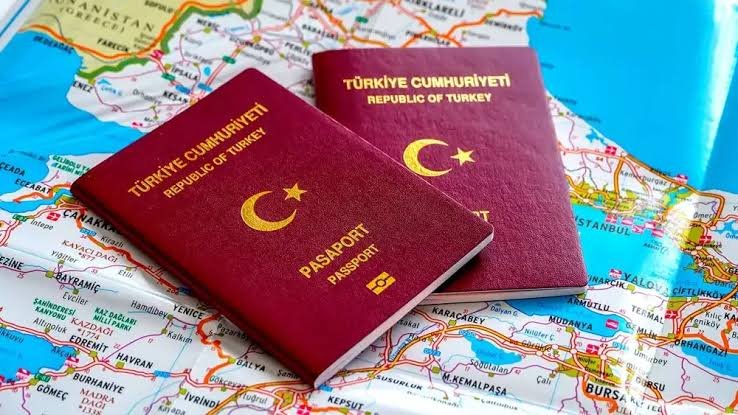 For most Uptrend Homes clients, purchasing real estate is not just about acquiring square footage, but also about obtaining official legal status for residence.
Türkiye: A Direct Path to a Passport and Residence Permit
Purchasing residential property in Turkey opens up a clear and understandable legalization system:
- Residence Permit (Ikamet): Purchasing real estate entitles the owner, spouse, and children under 18 to a permanent residence permit with the right to renewal.
- Citizenship by Investment: Purchasing properties with a cadastral value of $400,000 or more allows you to obtain a Turkish passport for the entire family in 3 to 6 months, without the need for a language exam or permanent residency.
- Citizenship by naturalization: When purchasing a property with a cadastral value of $200,000 or more, you gain the right to apply for a Turkish passport after 5 years of residence.
Thailand: Visas with no prospects for permanent residence
In Thailand, purchasing real estate (even a luxury villa for $2 million) does not grant the right to a residence permit or citizenship.
For long-term stays, you have to purchase elite visa programs separately (for example, Thailand Elite), the cost of which ranges from $19,000 to $50,000+ per person. However, we always emphasize one important point to investors: this is simply a long-term tourist visa. It does not lead to permanent residency, does not grant work rights, and is cancelled once the paid term expires.
Conclusion: Turkey wins again – buying property here gives your family a real residence permit and a direct path to a passport, while in Thailand you'll have to constantly overpay tens of thousands of dollars for regular tourist visas with no prospects for permanent residency.
3. Housing format: Family complexes "Sitesi" versus compact studios
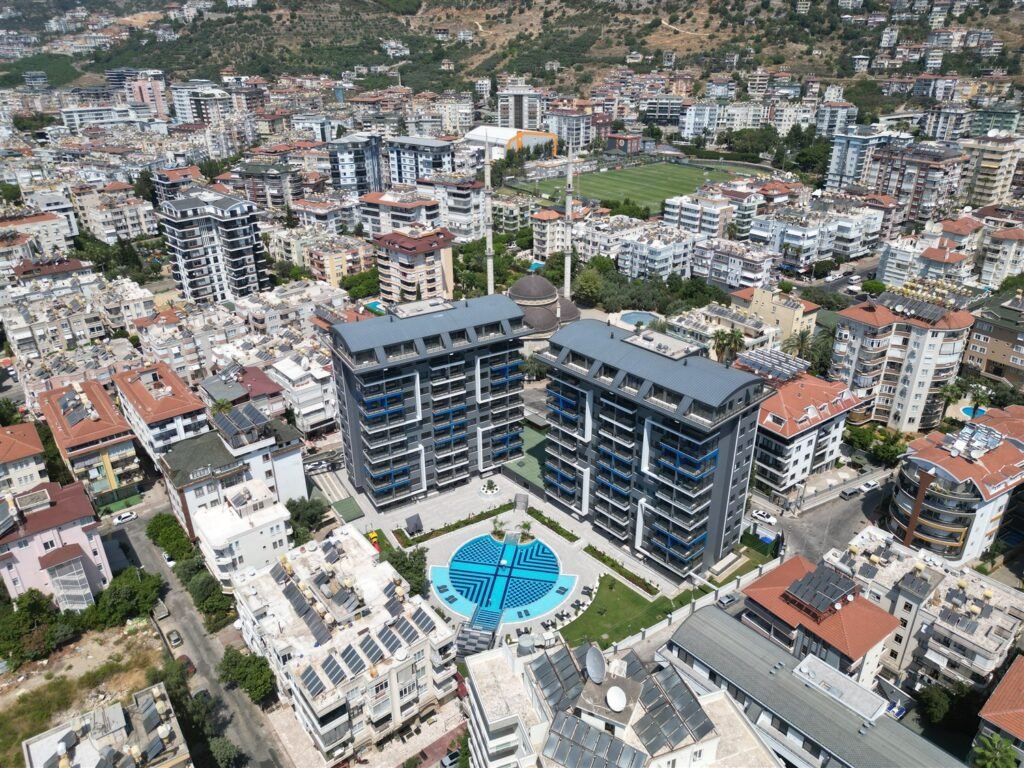 Proper space planning is the key to ensuring you'll be comfortable living in your apartment every day, not just enjoying it during your first week of vacation.
Turkish Standard: The Concept of "Sitesi"«
Modern Turkish construction is geared toward family living. Standard formats include spacious 1+1, 2+1, and 3+1 apartments with separate rooms, wide balconies and terraces, and multiple bathrooms.
Most of the properties the Uptrend Homes team works with are built as gated residential complexes called Sitesi. This concept offers residential and recreational amenities right in the courtyard of your home:
- Guarded territory, underground parking and video surveillance;
- Open summer and indoor heated winter swimming pools;
- Private SPA areas: hammam, sauna, fitness center;
- Children's playgrounds, sports areas and barbecue areas;
- Powerful diesel generators that protect against power outages.
Thai Standard: Cut for Tourists
The Thai condominium market is geared toward daily rentals to single tourists. The predominant format here is compact studios of 22–30 square meters.
In such apartments, the kitchen area is usually a small cabinet in the hallway without a proper exhaust hood, the balconies are of minimal size, and the soundproofing leaves much to be desired. Living in such a space with a family and children on a permanent basis is extremely difficult.
Conclusion: For permanent residence and family life, Türkiye is definitely a winner: Turkish sitesi offer spacious layouts and full-fledged courtyard infrastructure, while Thai condominiums are designed primarily for short-term vacations for single tourists in cramped studios.
4. Air Transport and Logistics: Stable Hubs vs. Charter Risks
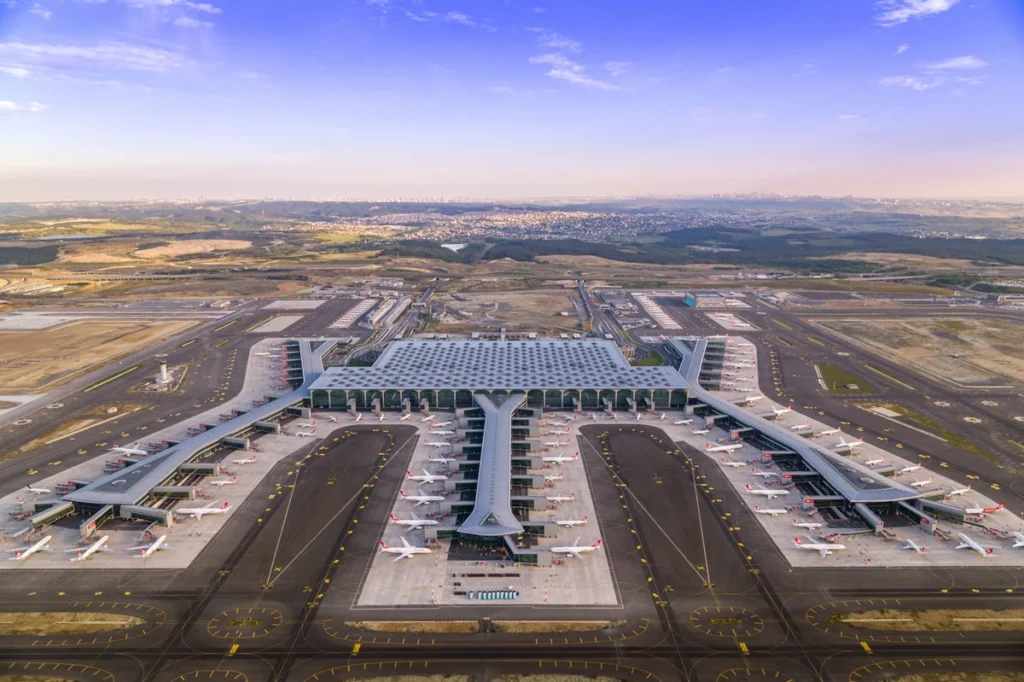 Convenient transportation is a critical factor for those who run a business, work remotely, or plan to regularly visit loved ones.
- Türkiye: The world's largest international air hub. Hundreds of scheduled flights depart from Istanbul and Antalya daily. Flights from Europe and parts of the CIS take only 3-5 hours. Even for residents of the Urals and Siberia, flights via central hubs are predictable, fast, and affordable year-round, regardless of tourist season.
- Thailand: Traveling to Asia is always a long and tiring process. Direct charter flights from the regions are extremely unstable: they launch during peak season and are canceled en masse during the off-season. As a result, the journey turns into an arduous 12-18 hour journey with transfers in third countries (UAE, China), and the time difference of 4-5 hours creates significant inconveniences for remote work.
Conclusion: It all depends on your goals. Turkey is ideal for permanent residence, business, and frequent travel thanks to its short year-round flights, while Thailand is perfect for long-term seasonal vacations, when the long flight is often justified by wintering.
5. Urban infrastructure, transport and roads
The way you move around the city sets the rhythm of your entire life.
- Turkey: You'll find yourself in a familiar European environment. Driving on the right side of the road (left-hand drive), the quality of roads and intercity highways is excellent. Public transportation (metro, trams, buses, dolmushes) is excellent in the cities, and taxis operate strictly according to official meters or through aggregators (BiTaksi, Uber).
- Thailand: Driving on the left side of the road (drivers are on the right), which takes time and stress to adapt to. Public transportation in popular resorts is poor, taxis are unreasonably expensive, and the widespread use of two-wheeled scooters leads to a high accident rate.
Conclusion: If a familiar and safe urban rhythm is important to you, it's better to choose Turkey with its excellent roads, clear transportation, and familiar right-hand traffic. Thailand is better suited for those who are prepared for the challenges of left-hand traffic and the active use of scooters.
6. Climate, ecology and seasonality
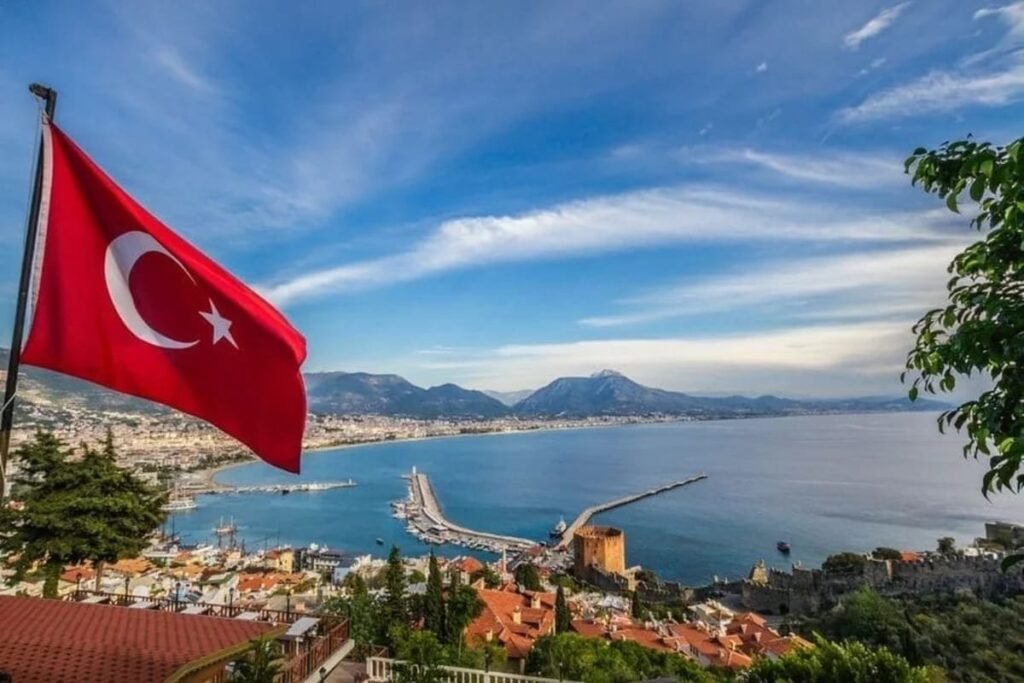 Weather conditions directly affect your well-being and home maintenance costs.
- Türkiye: A classic Mediterranean climate. Over 300 days of sunshine per year and warm sea water from April to November. The summer heat is easily tolerated thanks to moderate humidity, and the mild winters along the coast are snow- and frost-free.
- Thailand: Tropical climate with consistently high humidity (80–90°C/170°F). The country experiences intense heat year-round, with a pronounced chill from May to October. monsoon season, when prolonged downpours and strong storms on the coast make swimming in the sea dangerous due to rip currents.
Conclusion: When it comes to climate-friendly real estate, Turkey wins: the Mediterranean region is free from the risk of tropical floods, landslides, and storm surges that regularly inundate coastal streets and ground floors of buildings in Thailand during the monsoon season.
7. Children, Education and International Perspectives
For married couples, the issue of social adaptation and education of children is decisive.
Studying in Turkey
Türkiye has built a large-scale educational infrastructure: private Turkish colleges operate in resort regions (TED, Bahçeşehir, Doğa), accredited international schools (programs IB и A-Level) and Russian-language schools issuing state-issued certificates.
Turkish universities are closely integrated into the European educational system (program Erasmus+), and their diplomas are recognized in the EU. The living environment itself in gated communities sitesi It is absolutely safe: children can walk independently in the yard, play on the playgrounds and attend sports activities.
Studying in Thailand
There are excellent international British and American schools in Thailand, but tuition fees are extremely high - from $10,000 to $25,000 per year per child.
The main systemic disadvantage that you should be aware of: a child's student visa (ED Visa) does not grant either him or his parents any rights to permanent residence or citizenship. Upon completion of his studies, the visa status is reset, and the family must find new grounds for residence or leave the country.
Conclusion: For families with children, Turkey is a smart choice: studying there provides a clear path to legalization and integration into European education, whereas in Thailand, expensive education at international schools leaves the entire family on regular student visas without the right to permanent residence.
8. Running your own business
Many clients Uptrend Homes They plan not only to buy housing, but also to develop their own commercial project abroad.
- Türkiye (100% control): Foreigners have the right to register companies (LLC/LTD) and own 100% shares in a business without the participation of local partners. The registration process is transparent, and the Customs Union with the EU opens up enormous opportunities for international trade and the IT sector.
- Thailand (FBA Law): In law Foreign Business Act, a foreigner cannot own more than 49% shares of a company in most commercial sectors. To open a business, one must attract 51% Thai partners, which creates enormous legal risks of losing control over commercial assets.
Conclusion: When it comes to entrepreneurship, Turkey is a clear winner: it allows foreigners to fully own 100% of their own business, whereas in Thailand, due to the FBA law, you have to give up 51% of shares to local partners, risking control of the company.
9. Food, markets and everyday life
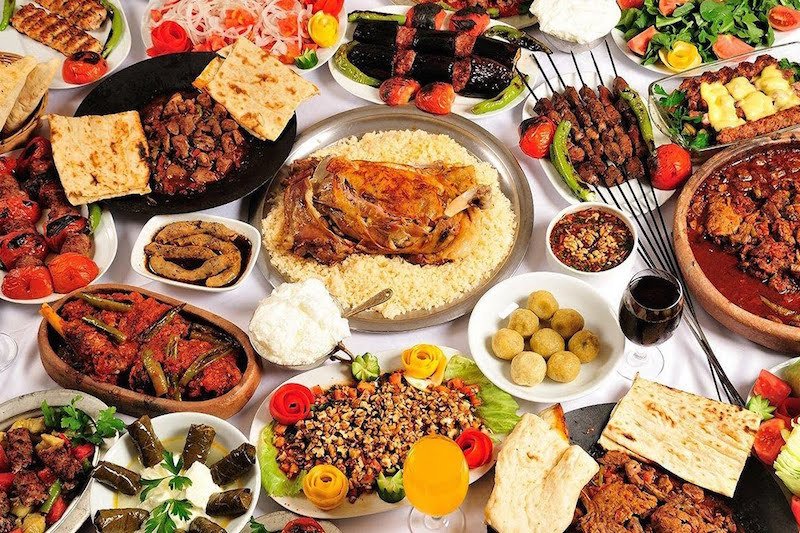 Food quality and the availability of common ingredients directly impact daily expenses and home comfort.
Türkiye: A gastronomic paradise with a rich, hearty, and completely familiar cuisine for a European. The country has a vibrant agricultural sector: street farmers' markets are held weekly in every district.pazar), where the freshest vegetables, fruits, farm-raised cheeses, olives, and freshly baked bread are sold at very low prices. Regular supermarkets offer all the usual dairy, meat, and grocery products for everyday home cooking.
Thailand: The country is teeming with street markets offering fresh local fruit, but for familiar European ingredients, you'll have to visit specialized supermarkets, which are primarily found in large cities and tourist areas. The local cuisine has been heavily influenced by China, resulting in an abundance of various noodles, specialized processed foods, and endless snacks. The staple diet is rice and dishes loaded with sugar, hot spices, and MSG; even meat kebabs are marinated in sweeteners. Furthermore, Thais rarely consume dairy products and don't know how to bake the traditional bread (regular stores only sell toasted, foamy bread with sugar). Furthermore, imported European products (cheeses, butter, high-quality deli meats) are subject to high duties and cost two to three times more than in Europe or Turkey.
Conclusion: In terms of convenience of life and the clarity of the diet, Türkiye wins: here you will find accessible farmers' markets, familiar butcher shops (kasap) and traditional cuisine. In Thailand, the food is unique (lots of noodles, sugar, spices, and glutamate); you have to go to large supermarkets for basic groceries; Thais don't know how to bake decent bread; and you have to pay a significant premium for European cuisine and dairy products.
10. Frequently Asked Questions from Uptrend Homes Clients
 Where is it cheaper to live – in Turkey or Thailand?
If you compare basic studio rent to street food, the prices are similar. But when it comes to full family life (a spacious apartment, familiar groceries, decent insurance, a school for the child), Türkiye is significantly more profitable thanks to accessible markets, developed public transportation, and the lack of need to constantly buy expensive visa packages.
Is it guaranteed to obtain Turkish citizenship by purchasing a property?
Yes. By purchasing properties with a total cadastral value of $400,000, you become eligible for Turkish citizenship by investment for the entire family. Uptrendhomes experts will handle the entire process: from selecting the right properties with a clean cadastral history to transaction support and passport application submission.
Does purchasing a condominium in Thailand entitle you to a residence permit??
No, Thai law does not link the purchase of real estate to the issuance of a residence permit. To reside in the country long-term, you will need to purchase separate visa programs.
Final verdict from Uptrend Homes experts
To summarize, we always recommend that clients base their decisions on their strategic goals:
- Choose Thailand if: You're looking for a vibrant getaway for a vacation or wintering period, you're attracted by exotic nature, and you don't plan to put down roots, move your family permanently, or register your property as private property.
- Choose Turkey if: You are looking for a reliable way to preserve capital, purchase liquid real estate in 100% freehold ownership, obtain a residence permit or a second passport, and want to provide your family with a safe and comfortable life by the sea with European-level service.
Looking to find residential property in Turkey that suits your needs?
The Uptrend Homes team will help you choose a property with high rental yields or a legally sound apartment for your family's relocation.
Request a free consultation, and we'll prepare a personalized selection of verified properties to suit your budget and goals!